TL;DR: The Kenmore front load vs top load washer decision comes down to design and builder. On our site, 796-prefix front-loaders are LG-built, with a direct-drive motor, a stainless drum and electronic water-level sensing. 110-prefix top-loaders such as the Oasis family are Whirlpool-built, with a low-profile agitator, a porcelain-enamel basket and bleach and softener dispensers. Front-loaders wash gently and spin well; top-loaders load easily and ask less care of a door seal.
What is the basic difference between the two designs?
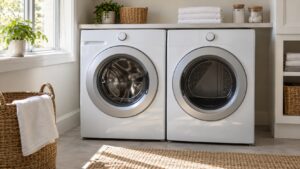
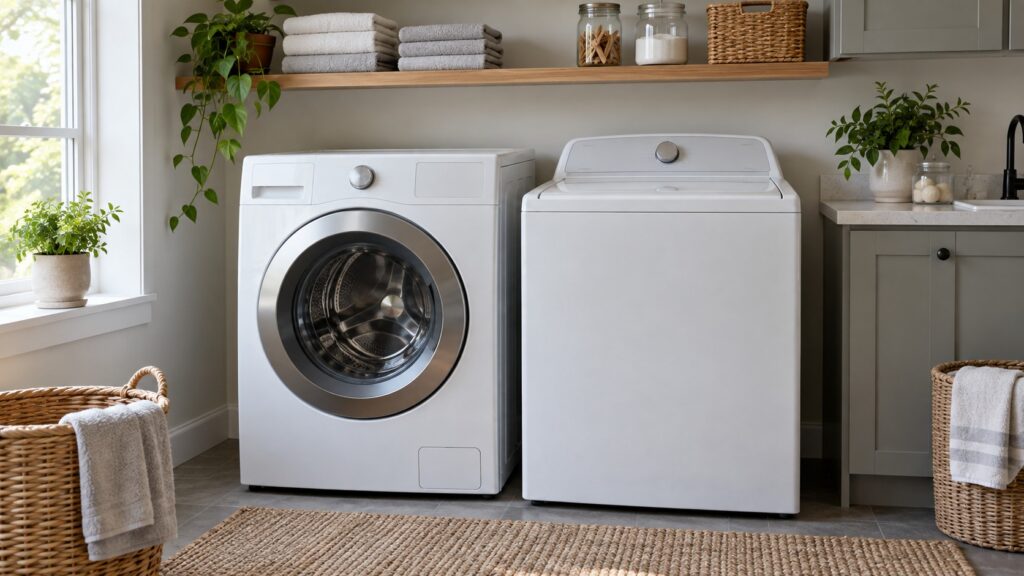
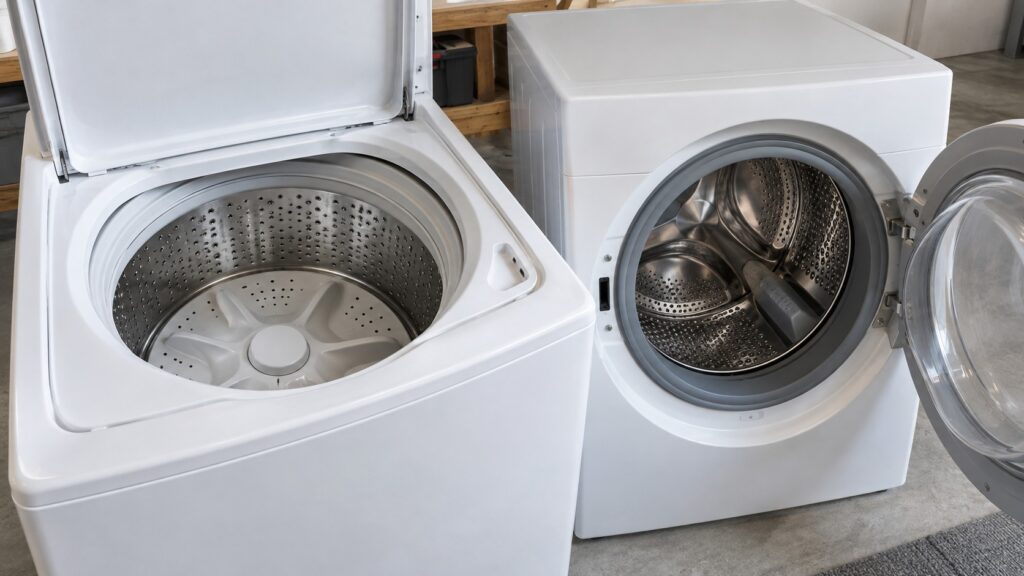
A front-load washer turns a horizontal drum, lifting clothes and dropping them through a small pool of water, so it needs less water and treats fabric gently. A top-load washer uses a vertical tub with an agitator or a low-profile agitator in the center that moves clothes through deeper water. The two designs are different machines in how they clean, how they spin and what they ask of the owner, and the Kenmore name covers both. The models on our site are legacy units, so for a new purchase these notes also work as a guide to which family you are comparing when you shop.
Because Kenmore does not build its own washers, the choice is also a choice of builder. That matters more than most buyers expect, because the builder decides the codes, the parts and who can help when something goes wrong.
Who builds each Kenmore washer family?
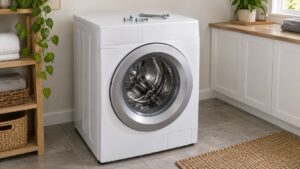
On our site, 796-prefix washers are LG-built front-loaders. The 796.4044 series has a direct-drive motor, a stainless steel drum and electronic water-level sensing, and the service documentation behind it is LG-authored under the Kenmore badge. The 110 prefix is Whirlpool-built; the 110.20952992, for instance, is a top-load washer in the Oasis-family block, with a low-profile agitator, a porcelain-enamel basket and bleach and fabric-softener dispensers. Our guide on who makes Kenmore appliances tells the whole story, and the model number decoder helps you read a tag.
Which washes better and uses less?
Front-loaders are generally easier on clothes and use less water per load because the drum tumbles fabric through a shallow bath. They usually spin faster, which pulls out more water and shortens drying time. A direct-drive motor, as on the 796 series, has fewer moving parts than a belt drive. Top-loaders with a low-profile agitator are tougher on heavy items like work clothes and bedding, run shorter cycles on average and let you add a forgotten sock mid-cycle. Neither design is better at everything: a top-loader suits a fast, simple routine, and a front-loader suits a household that wants gentle care and efficient drying.
Which is easier to live with day to day?
A top-loader asks you to reach down into the tub, which some people find hard on the back, but it is simple and the lid keeps odors out. A front-loader lets you load at a more comfortable height if it sits on a pedestal, but the door boot seal holds a little water after each cycle and needs a wipe-down and an open door to stay fresh. A neglected seal can grow mold and smell, and a torn seal causes leaks; the washer leaking page shows where that goes. Top-loaders avoid that, but they can have their own care needs, which the Oasis washer maintenance guide covers.
What should you check before you buy, new or used?
Start with the room. A front-loader needs clearance in front for the door to swing and a firm, level floor, because a fast spin on a springy floor makes the whole machine walk and thump. A top-loader needs headroom above for the lid, which matters under a shelf or a counter. Measure the doorway and the path to the laundry room as well; both families are bulky. If you are considering a used or secondhand Kenmore, ask for the full model number and look at the prefix before you commit: a 796 or a 110 tells you who built it, which tells you which parts and codes apply, and whether a technician can find what it needs. Ask about the door boot seal on a front-loader and the lid switch and agitator on a top-loader, and run a cycle if you can before it leaves the seller’s house.
What about codes and repairs?
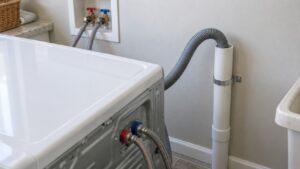
Expect different codes from each family. LG-built front-loaders show codes like OE for drain and UE for an unbalanced load, while Whirlpool-built top-loaders show the Sud code for suds lock. The same letters do not mean the same thing across builders, so a repair always starts from the model prefix. Both families are serviceable, and our Kenmore washer repair technicians work on both. If you are placing the machine, washer installation covers space, leveling and hoses.
So which should you choose?
Choose a front-load family if you value gentle washing, better spin and lower water use, you can keep the door seal dry, and you have a level floor that can carry a heavy, fast-spinning drum. Choose a top-load family if you want simple operation, shorter cycles, easy mid-cycle additions and no door seal to tend. Whichever you pick, find the model number first and keep a photo of the tag. When you want help deciding between two specific machines, book a visit and ask a technician.