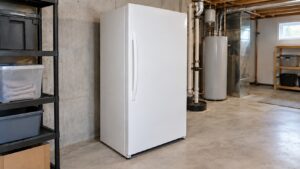
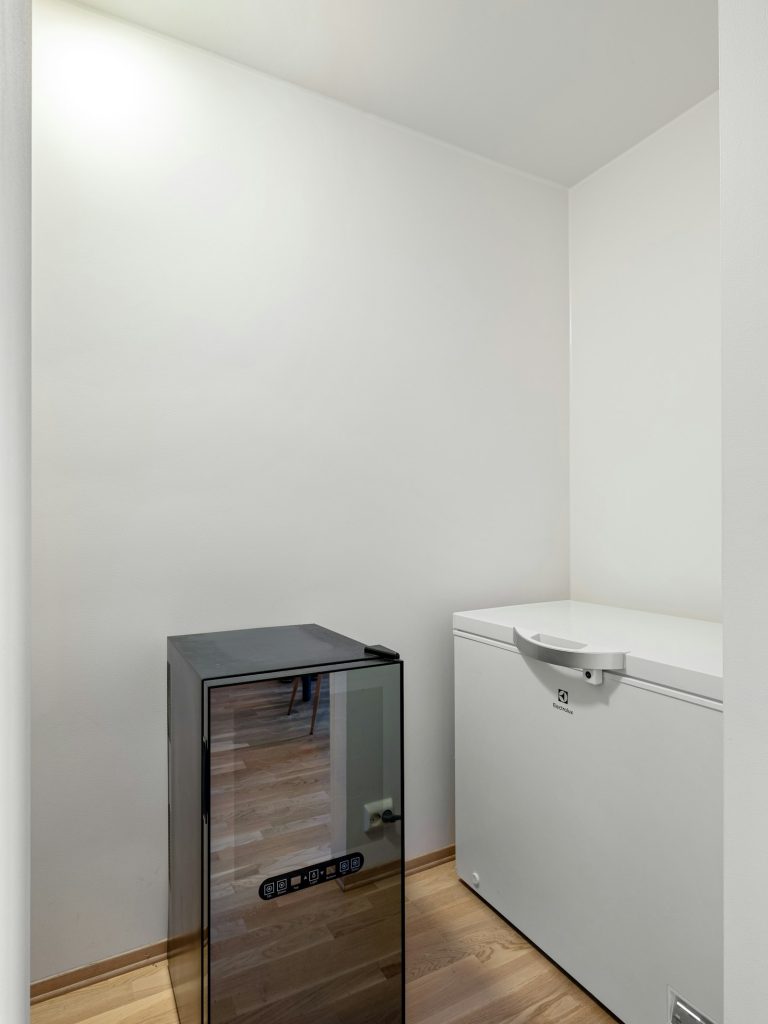
Good Kenmore freezer maintenance is simpler than it is for a modern refrigerator, largely because standalone Kenmore freezers are a mechanically simpler product category, most of them built by Frigidaire and carrying a 253-series model number. A handful of basic habits will keep one of these units running reliably for many years.
Why Freezers Need Less, But Different, Maintenance
Unlike refrigerators, most standalone freezers do not have water filters or ice maker components to service, and many chest models do not have an automatic defrost cycle at all. That shifts the maintenance focus toward the door or lid seal, the condenser coils, and — for manual-defrost chest units — a periodic ice-clearing routine rather than filter changes or dispenser upkeep.
Seasonal Maintenance Checklist
- Every 3-6 months: Wipe down the door or lid gasket with warm soapy water and check for tears or a weakening magnetic seal.
- Every 6 months: Vacuum the condenser coils, usually located on the back or bottom of the unit, to keep the compressor from working harder than necessary.
- As needed (chest models): Perform a manual defrost once frost buildup starts reducing usable space or interfering with the lid closing fully — typically once or twice a year depending on humidity and usage.
- Annually: Confirm the unit is level so the door or lid seals evenly on all sides.
What Causes Most Preventable Freezer Problems
The freezer repair calls we see most often trace back to a torn gasket that went unnoticed for months, dust-clogged coils straining the compressor, or a chest freezer left un-defrosted so long that ice interferes with the lid seal, creating a cycle of worsening frost. All three are fully preventable with the checklist above.
First Checks Before Calling a Technician
If you are staying current on maintenance but still notice the compressor running constantly, frost returning quickly after a defrost, or unusual noise, that points to a component nearing failure rather than a maintenance gap, and it is worth having it looked at before it stops cooling entirely.
When to Call an Experienced Technician
Gasket cleaning and coil vacuuming are safe to do yourself, but thermostat, compressor, or start-relay issues should go to an experienced independent technician, since sealed-system components require specialized tools and handling.
Where you keep the freezer matters for how often it needs attention. A unit in a garage or unfinished basement is exposed to more temperature swings, dust, and humidity than one in a climate-controlled kitchen, so it is reasonable to check the gasket and coils slightly more often — every three to four months rather than every six — in those locations. It is also worth confirming the freezer is not sitting directly against a wall without clearance, since restricted airflow around the coils forces the compressor to run longer than it should on every single cycle, gradually shortening its working life even when every other part of the maintenance routine is followed correctly.
As with any appliance, always unplug the freezer before cleaning coils or checking a gasket by hand, and avoid using sharp tools to chip away at ice during a manual defrost, since a punctured interior wall or coil is a far more expensive problem than the frost it was meant to remove.
Our freezer repair technicians can perform a full maintenance check alongside any repair, using genuine OEM parts and backing all labor with a 30-day warranty. We are an independent service and not affiliated with Kenmore, Sears, or Transformco. If you are noticing frost buildup specifically, see our Kenmore freezer frost buildup guide, browse supported models, or find service near you. For manufacturer resources, visit kenmore.com. Ready for a maintenance visit? Schedule service today.