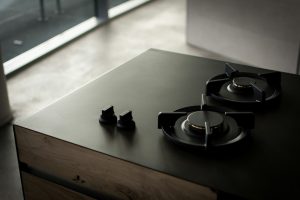

Good kenmore cooktop maintenance isn’t one-size-fits-all — glass-top, coil, and gas cooktops each have different weak points, and treating them the same way is a common way people accidentally cause the exact problems they’re trying to prevent.
Why Surface Type Changes the Rules
Good kenmore cooktop maintenance has to start with correctly identifying what surface you actually have, since the wrong cleaning product on the wrong surface causes more damage than no cleaning at all — an abrasive pad meant for coil drip pans will permanently scratch a glass-top, and a cream cleaner meant for glass doesn’t address the grease buildup a coil element needs cleared away.
Glass-Top (Radiant or Induction) Care
Smooth glass-top cooktops scratch and stain more easily than they look like they should. Use a cooktop-specific cream cleaner and a non-abrasive pad, never steel wool or abrasive scrubbers, and always clean up sugary or acidic spills as soon as the surface has cooled — sugar in particular can pit the glass if left to bake on during the next use. Avoid sliding heavy or textured cookware across the surface, since that’s one of the most common causes of fine scratches over time.
Coil Element Care
Coil cooktops are more forgiving of scratches but need their own attention: lift the coils periodically to clean the drip pans and the reflector bowls underneath, since grease buildup there can smoke, smell, and even affect how evenly the element heats. Never immerse a coil element in water — wipe it down while it’s unplugged and fully cooled instead.
Gas Grate and Burner Care
- Remove grates and burner caps regularly and clean the small gas ports with a soft brush to prevent the ignition and uneven-flame issues covered in our Kenmore cooktop not heating evenly guide.
- Hand-wash grates rather than relying solely on a dishwasher, since some porcelain-coated grates can chip over repeated dishwasher cycles.
- Make sure burner caps are fully dry and seated flat before use — trapped moisture is a common cause of the ignition problems in our Kenmore range burner not igniting guide, and the same logic applies to cooktops.
- Wipe up spills promptly so they don’t bake onto the grates or burner base, which becomes much harder to remove later.
A Simple Maintenance Routine
- Wipe down the surface after every use once it has cooled.
- Deep-clean burner components (grates, caps, or drip pans depending on type) weekly or biweekly with regular use.
- Check control panel buttons periodically for responsiveness, since a panel issue is easier to catch early than after full failure — see our Kenmore cooktop control panel unresponsive guide if you notice a problem.
- Avoid harsh chemical cleaners not labeled safe for your specific surface type.
When Maintenance Isn’t Enough
Routine cleaning prevents a lot of issues, but elements and igniters are still wear items that eventually need replacement regardless of how well the cooktop is maintained. If you notice a persistent issue that cleaning doesn’t resolve, it’s worth having it looked at before it worsens.
Building Kenmore Cooktop Maintenance into Your Routine
The households that get the longest life out of a cooktop tend to treat kenmore cooktop maintenance as a quick, recurring habit rather than an occasional deep clean. A thirty-second wipe-down after cooking, paired with a slightly more thorough cleaning of grates, drip pans, or the glass surface every week or two, prevents the kind of buildup that eventually causes ignition problems, uneven heat, or a control panel that stops responding. It’s a small time investment that meaningfully reduces how often the cooktop needs professional attention.
Booking a Service Visit
Our experienced, independent technicians can inspect your Kenmore cooktop, replace worn components with genuine OEM parts, and back the work with a 30-day labor warranty. See our cooktop repair service or schedule a visit. For manufacturer care guidance, see kenmore.com. We are an independent service provider, not affiliated with Kenmore, Sears, or Transformco.